Since 2000, the average European has seen their real income grow at a much lower rate than the average American. Of the fifty largest technology companies in the world, only four are European. In every emerging technology that will shape the coming decades, Europe is weak.
The stakes are existential. If stagnation continues, the continent will progressively lose the ability to fund the core obligations of a modern state: defence, public healthcare, pensions, education, climate investments and safety nets for those who lose their jobs.
For decades, a favourable world cushioned this decline. Trade grew under multilateral rules. The American security umbrella freed up defence budgets. Dependencies seemed mutual and hence harmless. They no longer are. The US has imposed its highest tariffs since Smoot-Hawley. China has become a fiercer competitor, in third markets and inside Europe itself. Europe is in a harder place than when the European Competitiveness Report was released. The European growth model is fading, and we are increasingly at the mercy of external events we do not control.
Decline is not inevitable, but it is the direction we are heading unless we take urgent action. The alternative is to do what Europe has done before: compete, build, and grow again. We are not a middle power, but the world's second largest market.

The stakes are existential. If stagnation continues, the continent will progressively lose the ability to fund the core obligations of a modern state: defence, public healthcare, pensions, education, climate investments and safety nets for those who lose their jobs.
For decades, a favourable world cushioned this decline. Trade grew under multilateral rules. The American security umbrella freed up defence budgets. Dependencies seemed mutual and hence harmless. They no longer are. The US has imposed its highest tariffs since Smoot-Hawley. China has become a fiercer competitor, in third markets and inside Europe itself. Europe is in a harder place than when the European Competitiveness Report was released. The European growth model is fading, and we are increasingly at the mercy of external events we do not control.
Decline is not inevitable, but it is the direction we are heading unless we take urgent action. The alternative is to do what Europe has done before: compete, build, and grow again. We are not a middle power, but the world's second largest market.

The Rhine Group convenes European leaders from government, academia, and business to discuss possible answers to these challenges for the future of Europe. Such discussions will be based on research papers distributed as pre-reads and will follow Chatham house rules.
Europe's citizens are asking their leaders to raise their eyes from daily concerns toward a common destiny, and to grasp the scale of the challenge. The Rhine Group aims to be one of the places where that work begins.


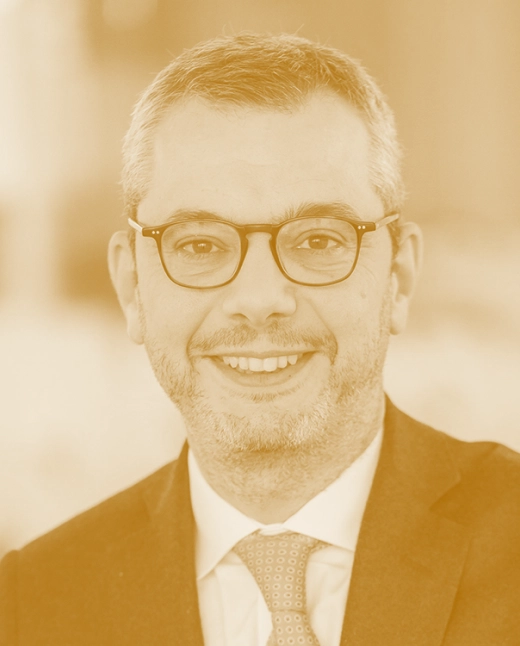
Patrick Collison
Co-chair
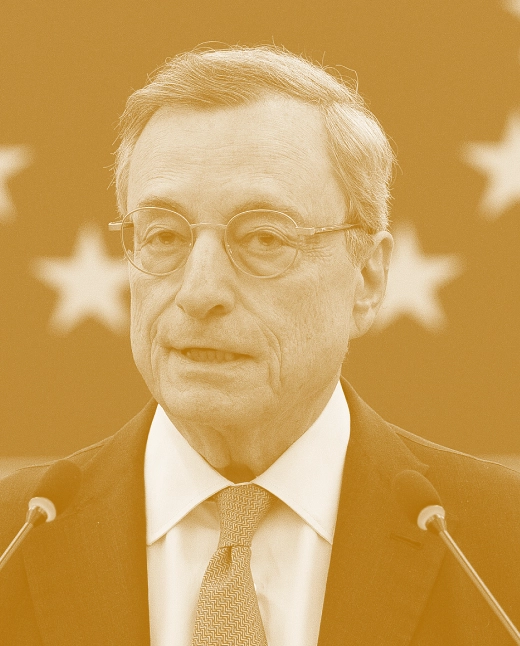
Mario Draghi
Co-chair
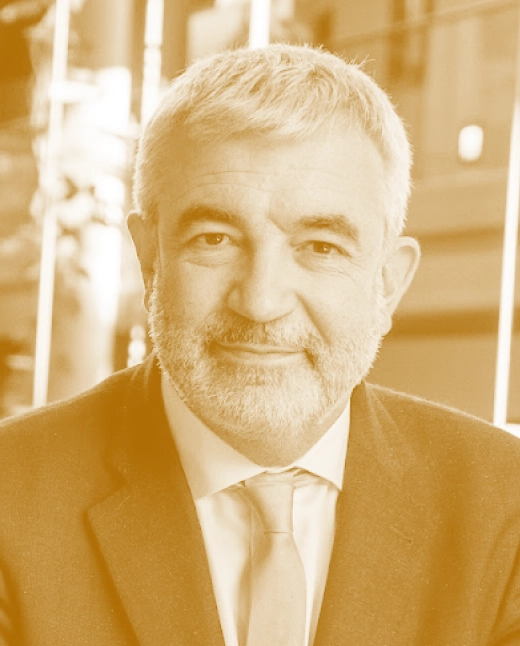
Luis Garicano
Co-chair